Napa Valley Wine Sub-Regions and their wines
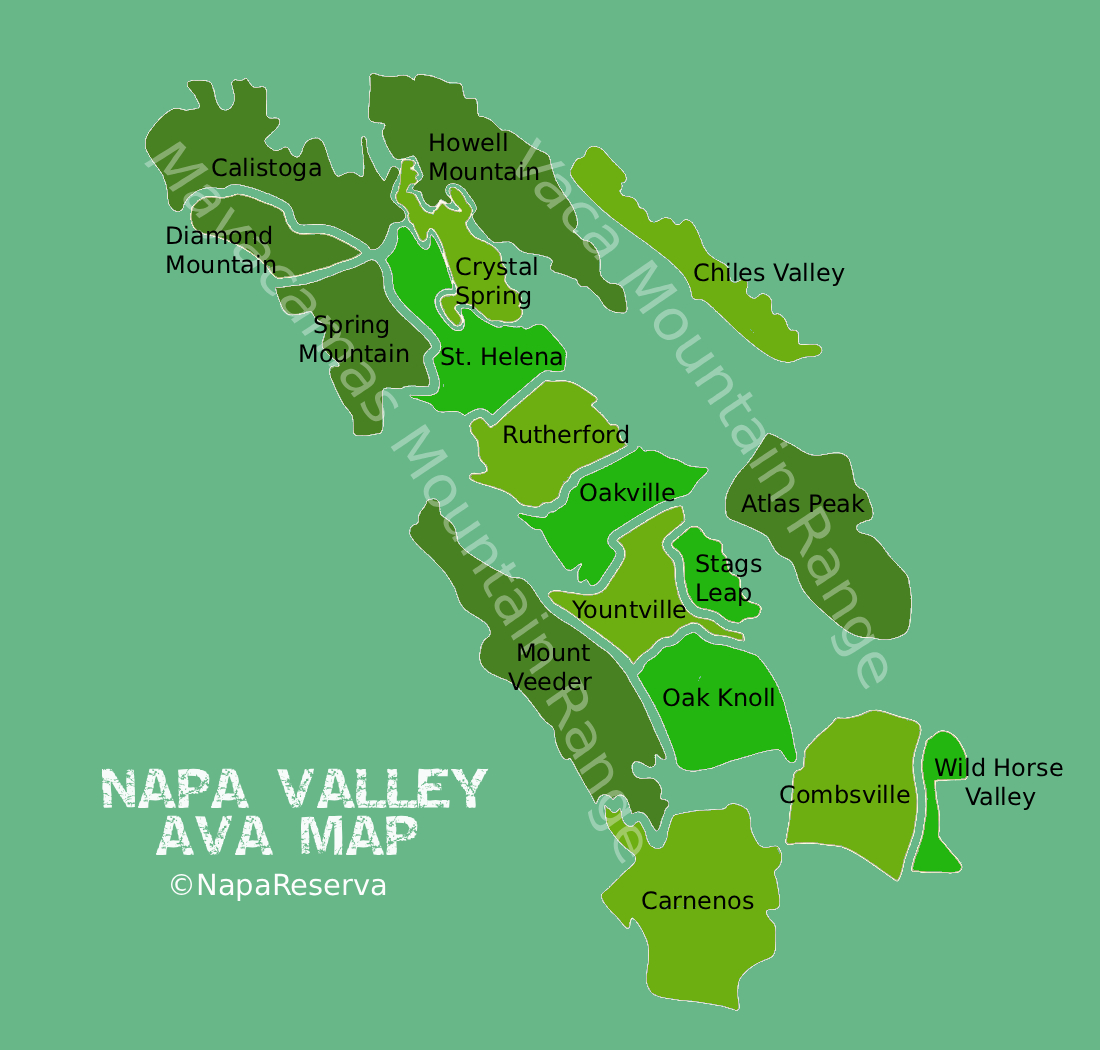
Napa Valley is a relatively small wine region, sandwiched between two mountain ranges—the Mayacamas to the west and the Vaca Range to the east—yet it displays remarkable diversity in both climate and soil. This variation, known as terroir, means that vineyards just miles apart can produce wines with distinctly different character and structure. Cooling fog from the San Pablo Bay, changes in elevation, and a wide range of soil types all contribute to this complexity. Despite its compact size, Napa Valley consistently produces some of the finest wines in the United States and is recognized worldwide for its quality. The region is especially celebrated for its Cabernet Sauvignon, which has become Napa’s signature grape and a benchmark for excellence on the global wine stage. 🍷
Los Carneros
At the southern gateway to Napa Valley, Los Carneros is defined by persistent fog and cooling maritime winds from San Pablo Bay. Long, slow growing seasons allow grapes to develop complexity without excessive ripeness.
Wine character: Pinot Noir and Chardonnay here are refined and expressive, marked by vibrant acidity, delicate red fruit, citrus, and mineral undertones. The wines favor elegance over power, often with a Burgundian sensibility.
Coombsville
Nestled east of the city of Napa, Coombsville is one of the valley’s coolest appellations, shaped by volcanic soils and a sheltered, amphitheater-like landscape.
Wine character: Cabernet Sauvignon and Merlot exhibit restraint and precision, offering dark fruit, floral aromatics, and fine, persistent tannins. These wines are quietly structured, built more for longevity than immediacy.
Oak Knoll District
Situated just north of Napa city, Oak Knoll serves as a climatic transition zone between the cool southern valley and the warmer central corridor.
Wine character: Wines from Oak Knoll are prized for balance and freshness. Cabernet Sauvignon shows red and black fruit, lifted aromatics, and moderate tannins, while Chardonnay maintains poise and brightness.
Yountville
Centrally located, Yountville benefits from afternoon breezes that temper heat and preserve acidity.
Wine character: Cabernet Sauvignon and Bordeaux blends are plush and polished, combining ripe fruit with silky textures. These wines often show approachability in youth while retaining the structure to age gracefully.
Oakville
Perhaps Napa Valley’s most iconic appellation, Oakville occupies prime valley-floor land and hosts some of the region’s most renowned vineyards.
Wine character: Cabernet Sauvignon is commanding and concentrated, with layers of blackcurrant, blackberry, cocoa, and graphite. Powerful tannins and depth make Oakville wines benchmarks for Napa Valley and the world.
Rutherford
Just north of Oakville, Rutherford is distinguished by well-drained alluvial soils, famously referred to as “Rutherford dust.”
Wine character: Cabernet Sauvignon here is both structured and supple, revealing cassis, earthy nuances, and a fine, dusty texture. The wines strike a classic balance between richness and restraint.
Stags Leap District
Set against dramatic rock formations on the eastern side of the valley, Stags Leap District benefits from volcanic soils and cooling air from San Pablo Bay.
Wine character: Cabernet Sauvignon is known for its seductive contrast—intense aromatics paired with remarkably soft, velvety tannins. The wines are graceful, expressive, and harmonious rather than overtly massive.
Atlas Peak
Rising high on the Vaca Range, Atlas Peak sits above the fog line and experiences cooler nights and intense sunlight.
Wine character: Cabernet Sauvignon is firm and focused, with bright acidity, dark fruit, and a mineral-driven backbone. These wines are linear, structured, and reward patience.
Mount Veeder
On the steep, rugged slopes of the Mayacamas Mountains, Mount Veeder presents one of Napa’s most challenging growing environments.
Wine character: Low yields and rocky soils produce Cabernet Sauvignon of formidable structure—dense, savory, and deeply concentrated. These are serious wines, defined by power, complexity, and long aging potential.
Howell Mountain
One of Napa Valley’s most esteemed mountain appellations, Howell Mountain lies entirely above the fog line.
Wine character: Cabernet Sauvignon is intense and muscular, with inky color, bold tannins, and flavors of black fruit, spice, and earth. These wines are unapologetically powerful and built for decades of aging.
Spring Mountain District
Tucked into the western slopes above St. Helena, Spring Mountain is cooler and more forested than the valley floor.
Wine character: Wines emphasize elegance and aromatic complexity, with Cabernet Sauvignon showing red and black fruit, herbal notes, and refined structure. Alcohol levels are typically lower, lending finesse and longevity.
Diamond Mountain District
Located at the northern end of the valley, Diamond Mountain features rocky volcanic soils and ample sunshine.
Wine character: Cabernet Sauvignon is concentrated and intense, with ripe blackberry fruit, minerality, and firm tannins. These wines combine power with a distinctive mountain freshness.
Calistoga
The northernmost and warmest appellation in Napa Valley, Calistoga is defined by hot days and cooling nights.
Wine character: Wines are bold and generous. Cabernet Sauvignon and Zinfandel display ripe, lush fruit, plush textures, and higher alcohol, often offering immediate appeal alongside aging potential.
Wild Horse Valley
A small, high-elevation appellation shared with neighboring Solano County, Wild Horse Valley is cool and windswept.
Wine character: Chardonnay and Pinot Noir are crisp and mineral-driven, with restrained fruit, vibrant acidity, and a distinctly cool-climate profile.
Despite its modest size, Napa Valley’s appellations produce dramatically different wine styles. From cool, foggy southern vineyards to rugged mountain slopes and warm northern valleys, Napa’s terroir allows winemakers to craft everything from delicate, age-worthy Cabernet Sauvignon to vibrant Pinot Noir and Chardonnay—cementing its reputation as one of the world’s most diverse and prestigious wine regions. And, there is only one way to find out, is to taste a whole lot of wines from Napa Valley.