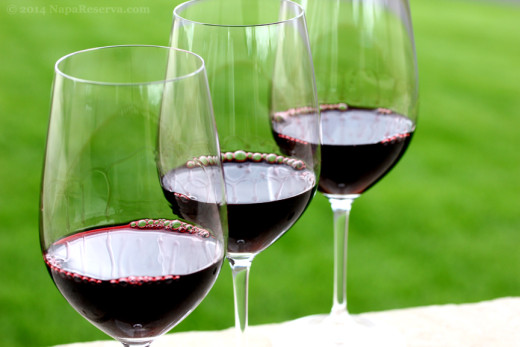
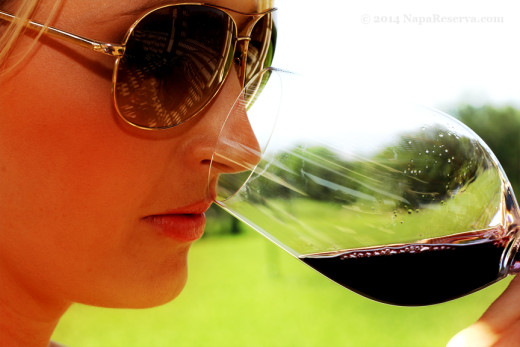
Why should wine breathe and for how long?

Letting wine “breathe” simply means allowing it to come into contact with oxygen before drinking. This brief exposure to air can dramatically improve how a wine smells, tastes, and feels on the palate.
Why wine benefits from breathing
When a bottle is first opened, especially if the wine is young or tightly structured, its aromas and flavors may be muted or slightly harsh. Oxygen helps the wine unfold. Aromatic compounds become more expressive, revealing fruit, floral, and spice notes that were previously hidden. In red wines, oxygen also softens tannins—the compounds responsible for bitterness and astringency—resulting in a smoother, more harmonious texture. Breathing can also dissipate unpleasant “reductive” aromas that sometimes develop in a sealed bottle.
That said, oxygen is a double-edged sword. While a little air enhances a wine’s character, too much will eventually dull its freshness and cause it to fade. The goal is balance: enough air to awaken the wine, but not so much that it exhausts it.
How long to let wine breathe
- Most whites and rosés: little to no breathing is needed; a few minutes in the glass is sufficient.
- Most red wines: will develop nice flavors after 60 minutes or so.
- Full-bodied and structured wine could take up to 2-4 hours. Some French wines actually improved in the bottle the next day.
- Very Older wines: this is tricky, exposure to air could quickly fade its flavor. It is best to taste best every 15mins after opening. Once peak flavor is reached, dive in and enjoy. Don’t air for too long, flavors may diminish quickly.
How to judge when it’s ready
A wine that smells tight, sharp, or subdued often needs more air. As it opens, the aromas become clearer and the flavors more integrated. Once the wine feels balanced and expressive, it’s ready to enjoy.